
Bordernote at Museo Arte Patrimonio in Agua Prieta
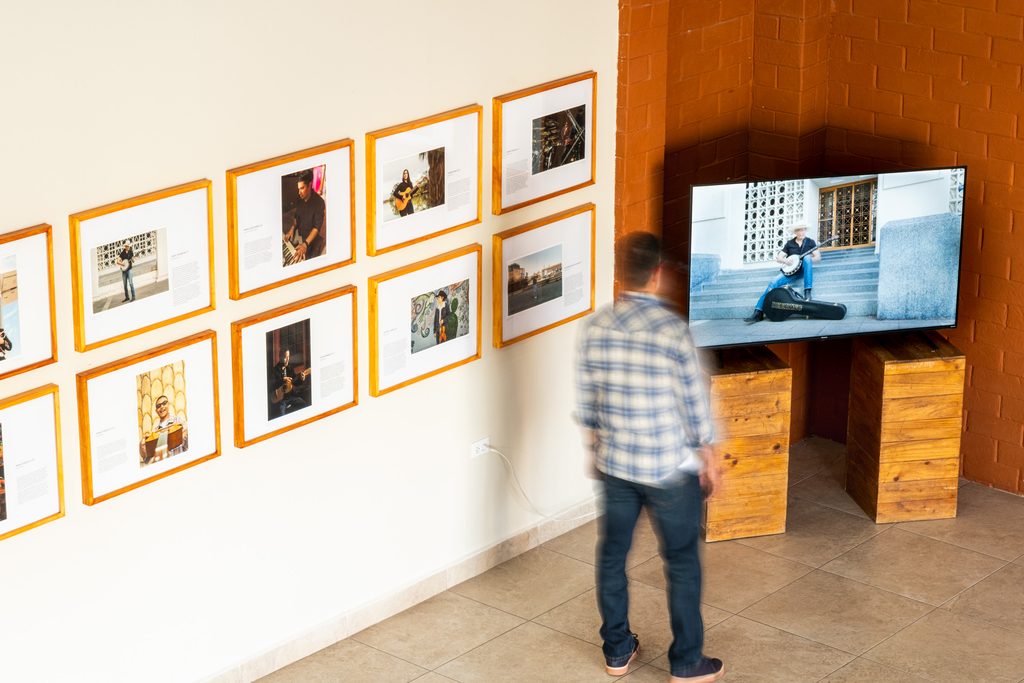
The Museo Arte Patrimonio in Agua Prieta is hosting an exhibit of selections from Bordernote. The exhibit is open to the public and runs through February 6, 2027.
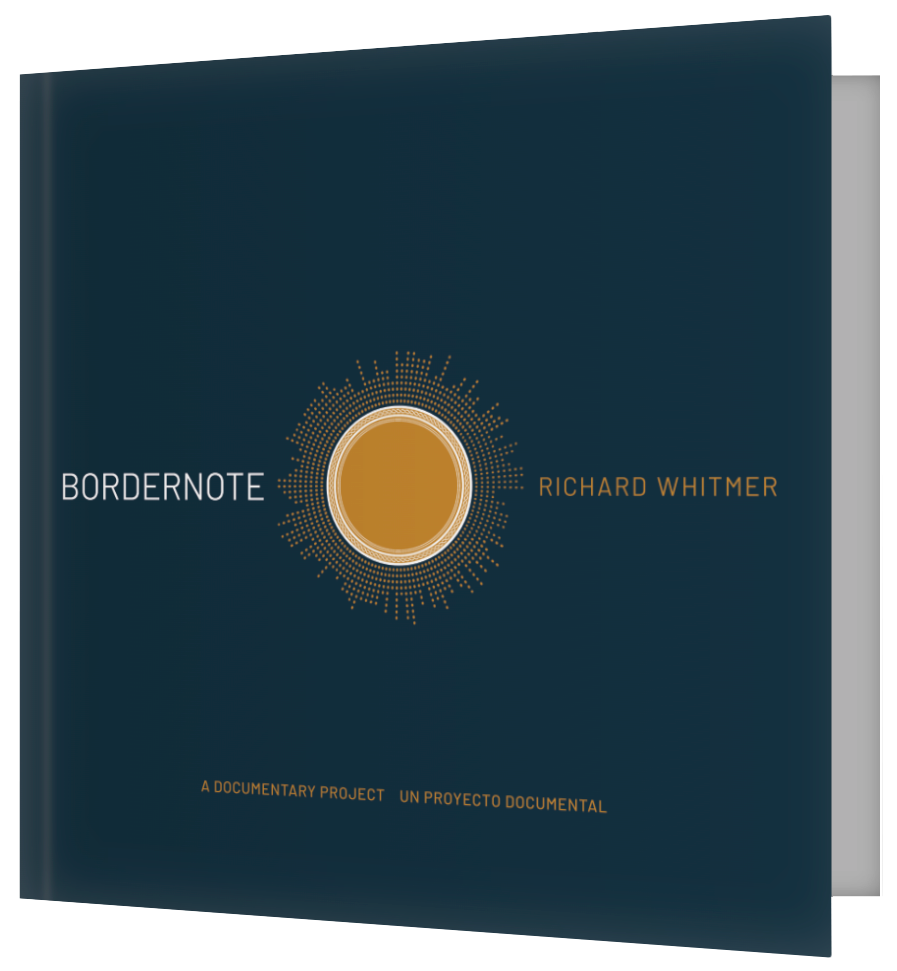
The Book
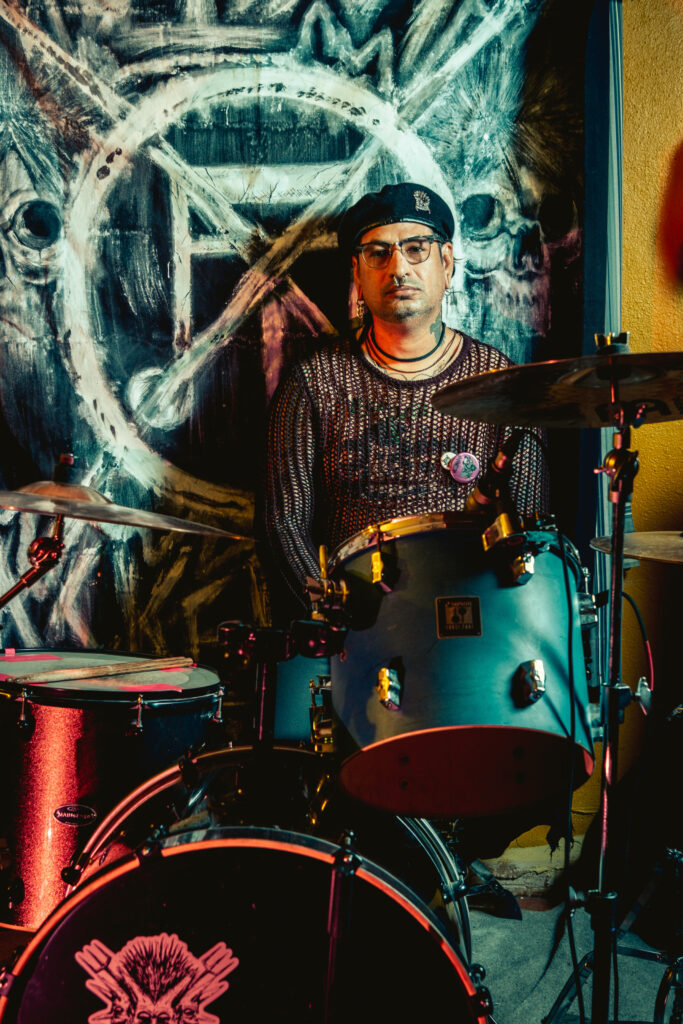
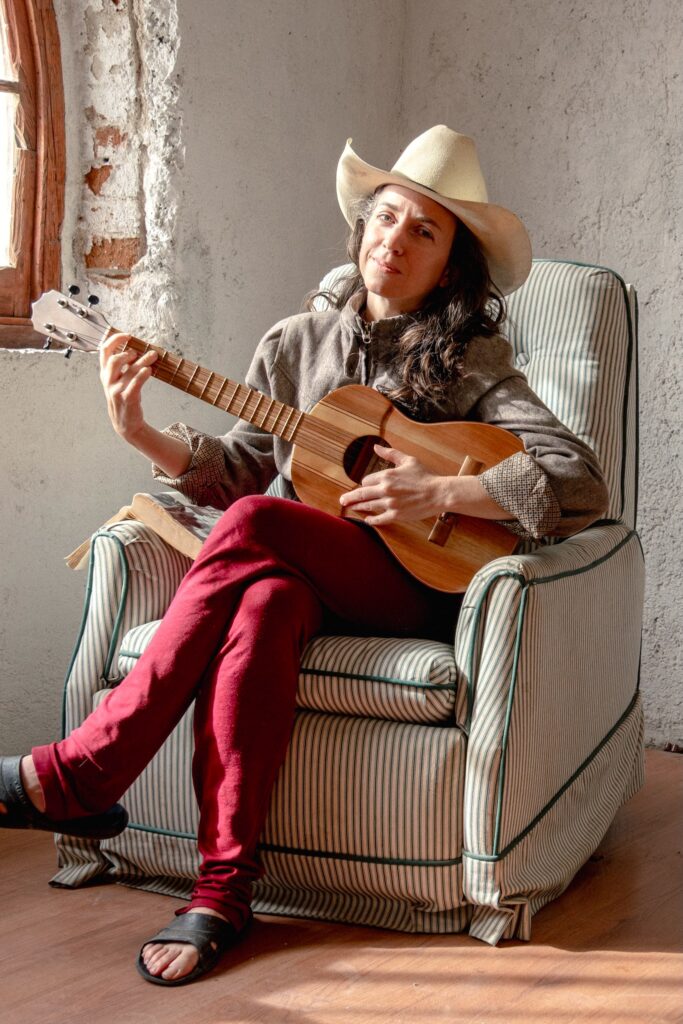
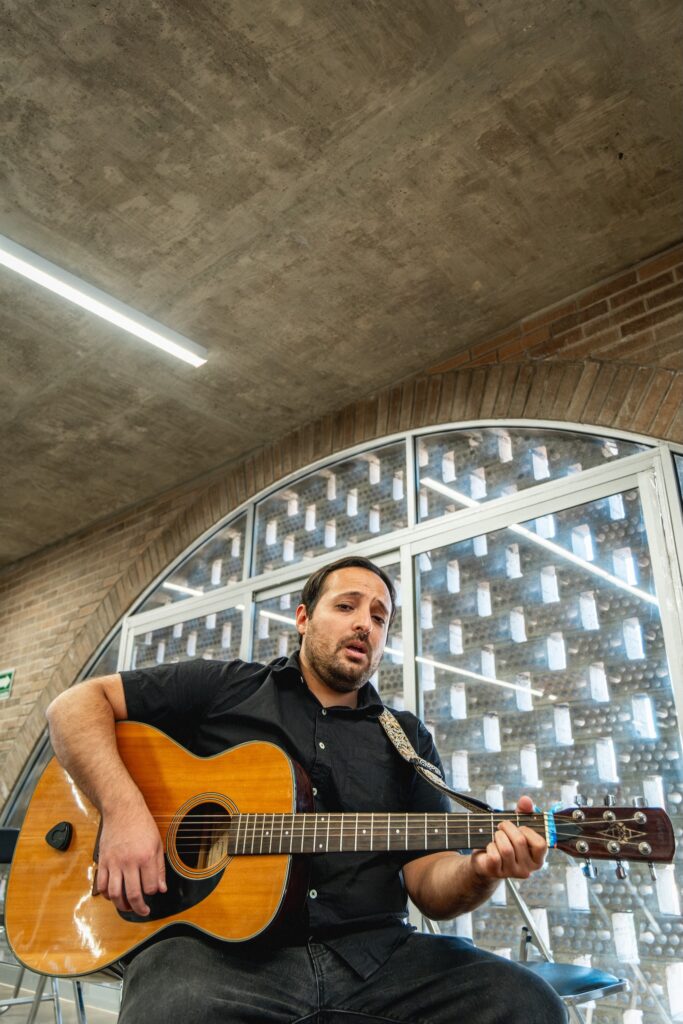
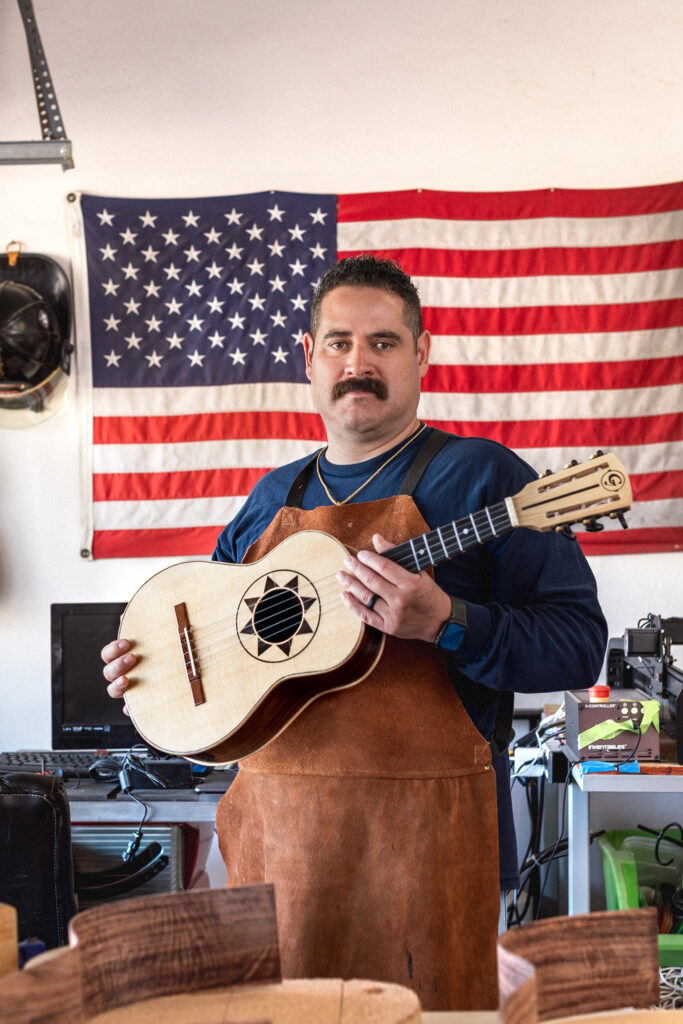
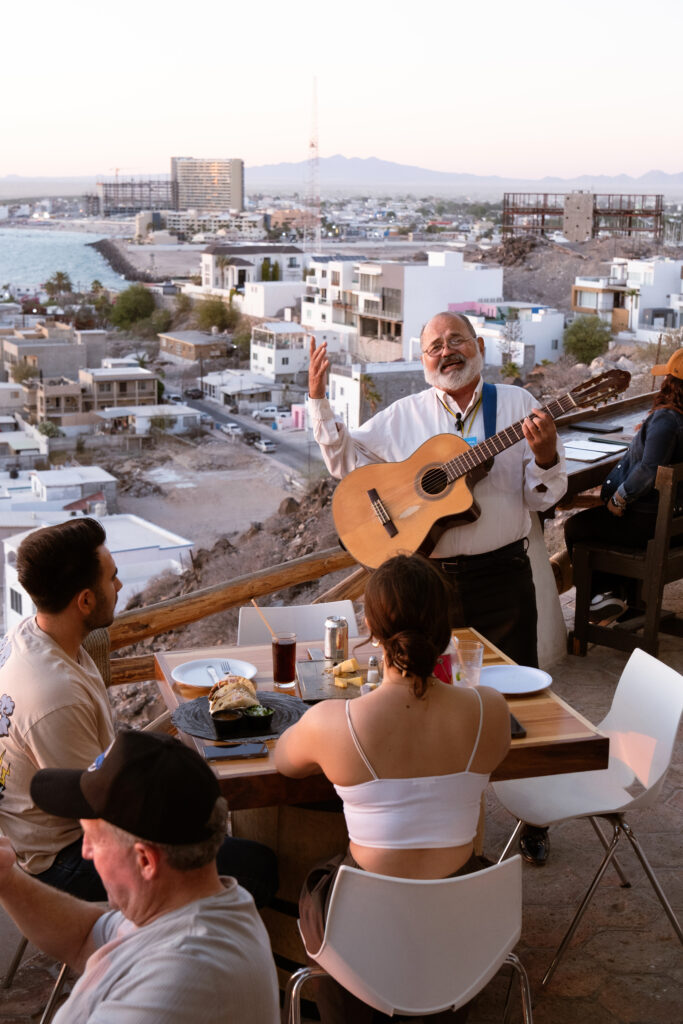
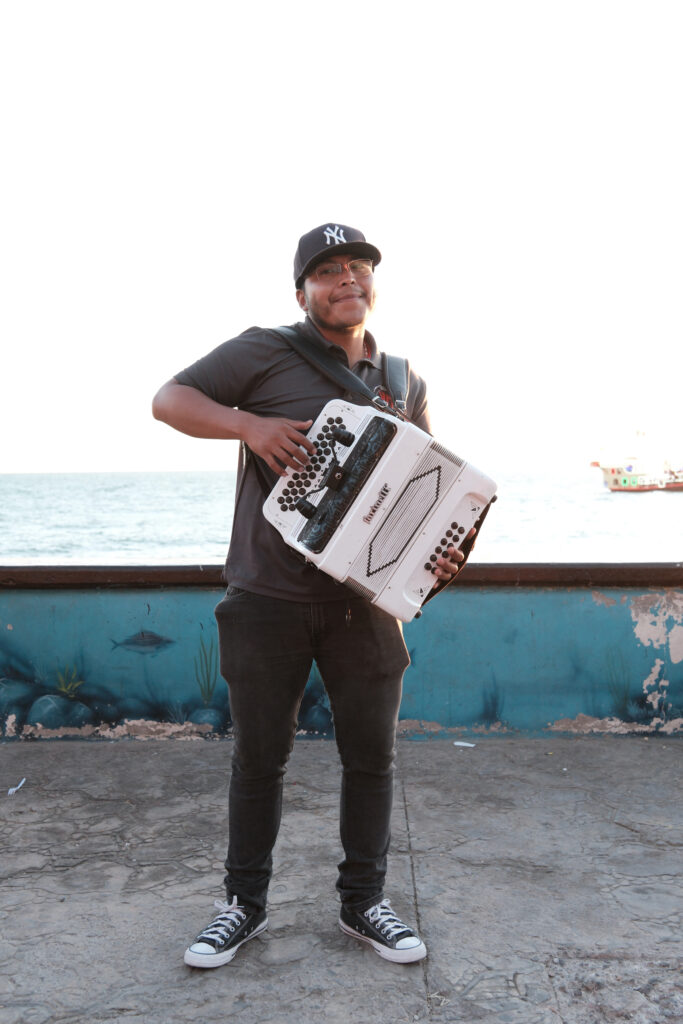
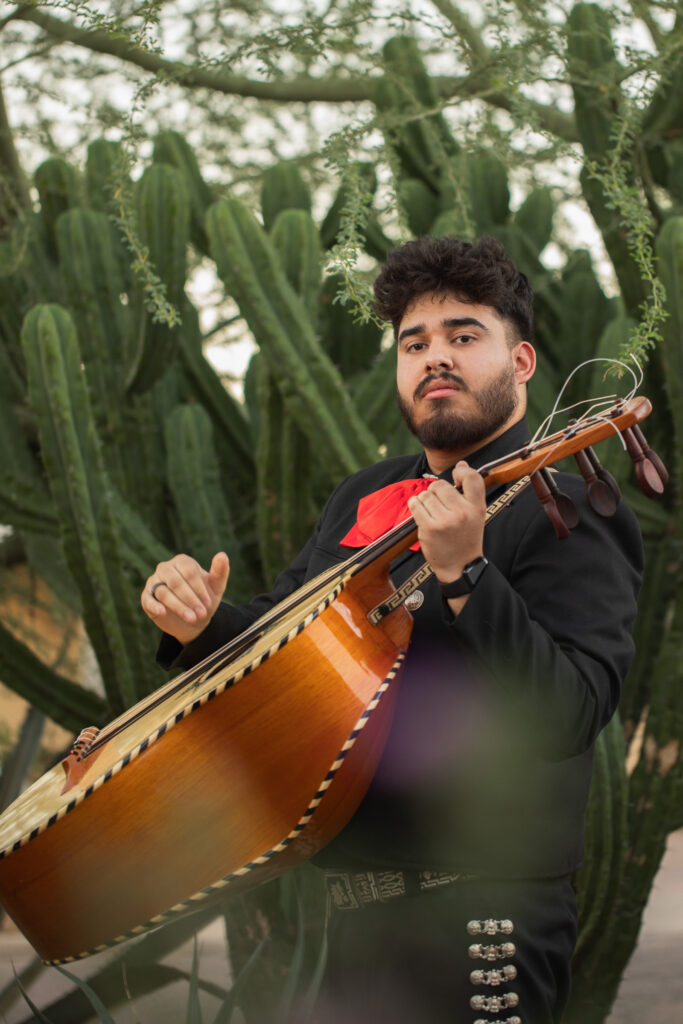
In English and Spanish, Bordernote shares portraits and personal stories from musicians in the U.S.–Mexico borderlands. Moving beyond headlines and stereotypes about the region, the project explores how music shapes identity, work, family, aspiration, and belonging in a geography defined by movement and cultural exchange. These musicians are more than performers or background figures—they are people navigating everyday life, creativity, and connection. Through their own words, Bordernote offers an intimate look at the borderlands through voices that shape the region’s sound, character, and humanity.
Project overview
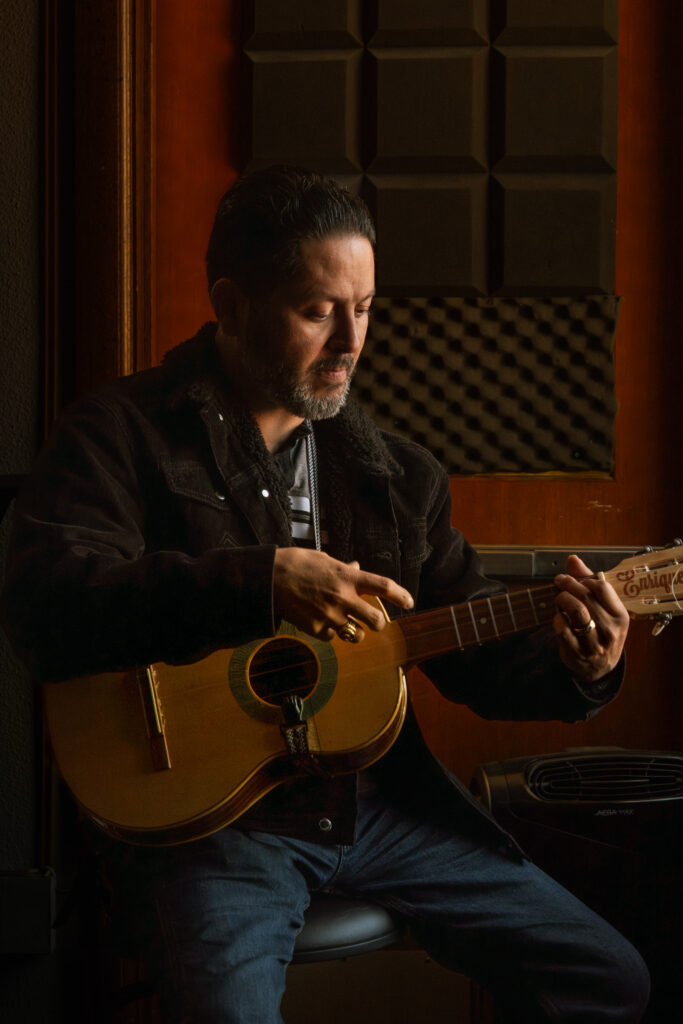
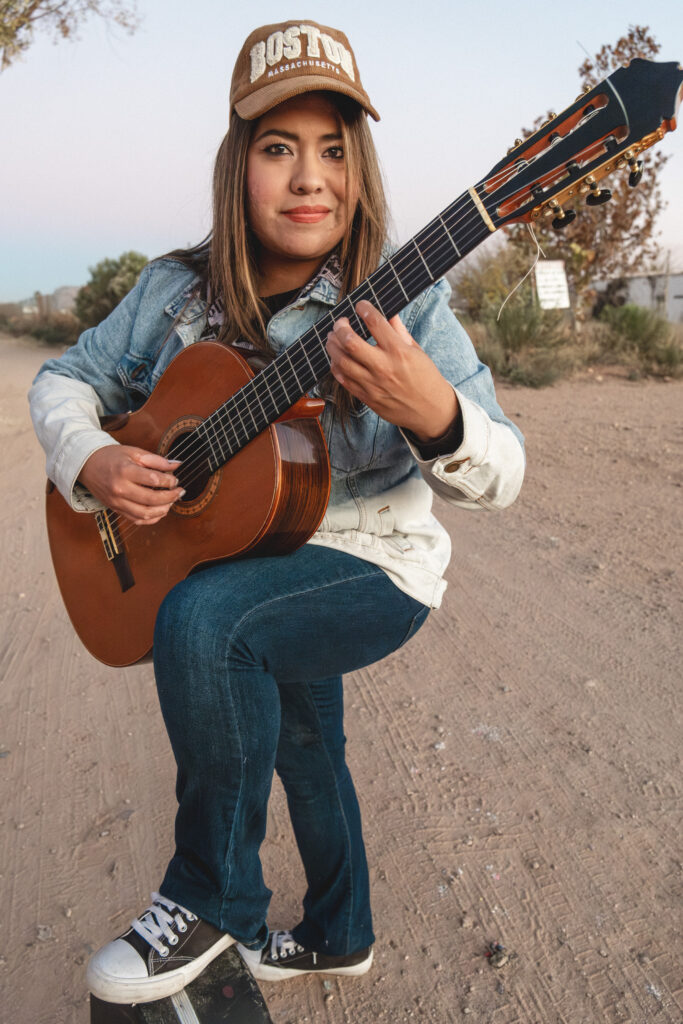
Bordernote spotlights US-Mexico borderlands musicians’ multifaceted identities beyond popular expectations rooted in nationality and genre, and shares individual stories and photographic portraits. Between April 2025 and March 2026, the project included extensive community participation along the Arizona-Sonora border, learning from a diverse range of local individuals, regardless of genre or professional level, to accompany their portraits. Through these personal accounts, Bordernote seeks to support a deeper understanding of the musicians’ lives and contributions.
Selections from the project
Along the way
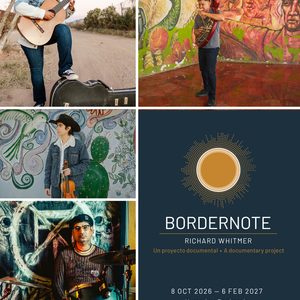
Bordernote at Museo Arte Patrimonio in Agua Prieta
The Museo Arte Patrimonio in Agua Prieta will host an exhibit of selections from Bordernote, beginning with an opening reception on Thursday, October 8 at 6:00 p.m. Admission is free and the museum is open The exhibit is open to the public and runs through February 6, 2027.
Continue reading
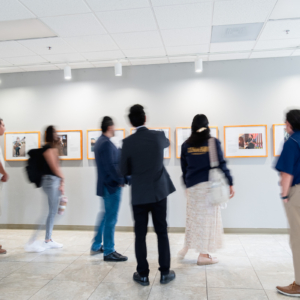
Thank You, Consul
Many thanks to the Mexican Consulate in Tucson for welcoming and exhibiting selections from Bordernote these past four weeks.
Continue reading

Bordernote at the Mexican Consulate in Tucson
The Mexican Consulate in Tucson will host an exhibit of selections from Bordernote, beginning with an opening reception on Friday, August 21 at 5:30 PM. The exhibit is open to the public and runs through September 25, 2026.
Continue reading
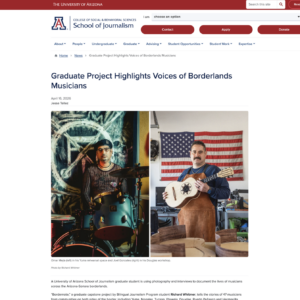
Bordernote article in JSchool News
Jesse Tellez wrote this article about the Bordernote project that appears in the University of Arizona’s Journalism School News.
Continue reading

JIREH Collective Exhibit
JIREH Collective in Tucson will be exhibiting selections from the Bordernote project during the month of April.
Continue reading
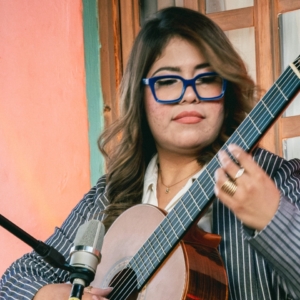
Breathing The sound inside the wood
Lilian Calleja Ansástiga says that If she could inhale music, she would.
Continue reading
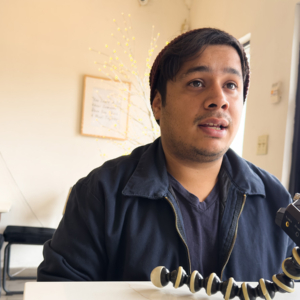
Songs within Songs
"I recommend the playlist not because it will help you understand my tastes, but because it will give you an idea of my inspirations."
Continue reading
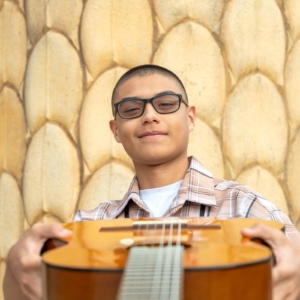
Old Soul
"This playlist is home. This is my childhood, my family, my life. This playlist has different varieties of genres ranging from funk to oldies to Chicano rock. That was my upbringing, The upbringing of a Chicano."
Continue reading
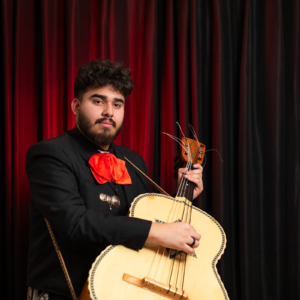
Marimba & mate
"I want the listeners to get the same feeling I got about four years ago when I began experiencing these different sounds of instruments and music from these countries."
Continue reading
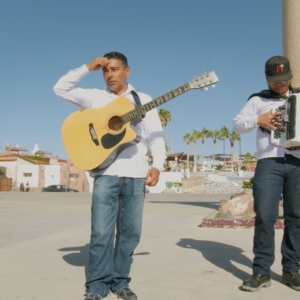
La güipa
You bring your crew and cooler, and they bring the party.
Continue reading
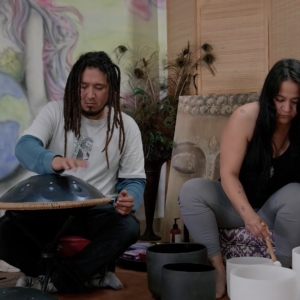
Sound Bath
Ivan Limón and Denis Quintero demonstrate the instruments they use in the sound baths offered at their studio and retail space.
Continue reading
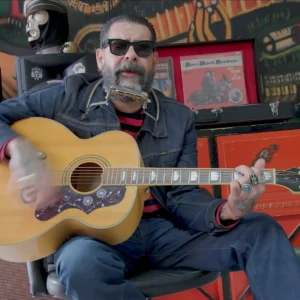
Let’s Dance
"When I got to that show, it was a it was at a bowling alley in Eagle Rock, California, and everyone was dressed like me and they were listening to some cool ass music."
Continue reading
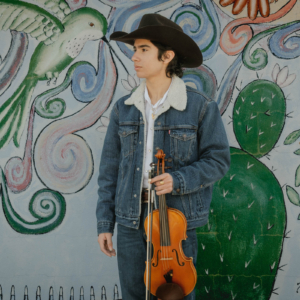
Yeah No
I can't say for certain this has happened to you (but I bet it has).
Continue reading
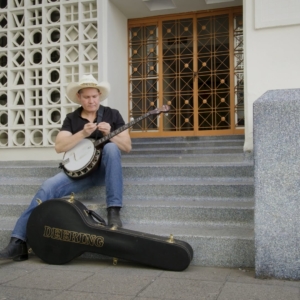
El tranza
Jorge Trewartha performs his composition "El Tranza" on the steps of the Museo Biblioteca at the University of Sonora .
Continue reading
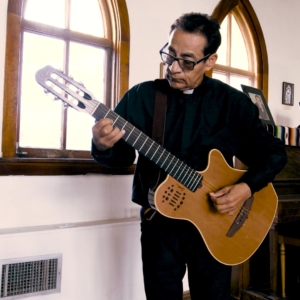
St. Stephen’s Episcopal
Sunday mass at St. Stephen's includes singing by the congregation and performers invited from the Douglas and Agua Prieta communities.
Continue reading
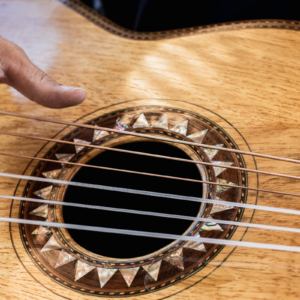
That big guitar is a guitarrón
Tucson summers linger well into October, and on Hispanic Heritage Day, the University of Arizona’s grassy mall is baked in sunshine and smells like beer and gasoline.
Continue reading
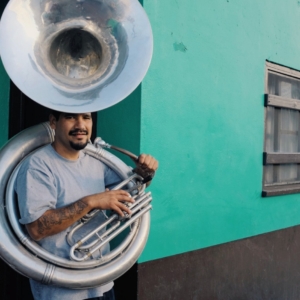
Origin Story
When I envisioned 2023, I imagined my future self doing familiar, predictable things. I didn't do any of those things
Continue reading
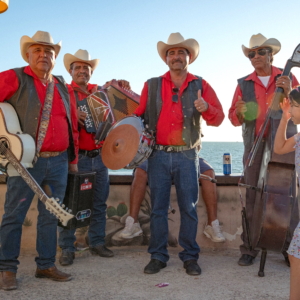
Proof of concept
In which I learn that no one goes to the beach to help with my homework.
Continue reading